


Books That Do Too Much are books that suffer from self-dilution, losing their ability to make their point because they simply try to include too much. It’s basically infodumping on the whole-book level: the writer tries to explain everything, include everything, give background on everything. The result is that they spend an awful lot of pages telling you an awful lot of things that don’t get you anywhere in particular, not even to a broader perspective, because you’ve effectively been shown the map of the entire city without the helpful little marker that tells you “you are here.”
Projects with this problem come across my editorial desk with some regularity. In my guise as book coach, too, I frequently work with writers who are struggling with the impulse to write Books That Do Too Much.
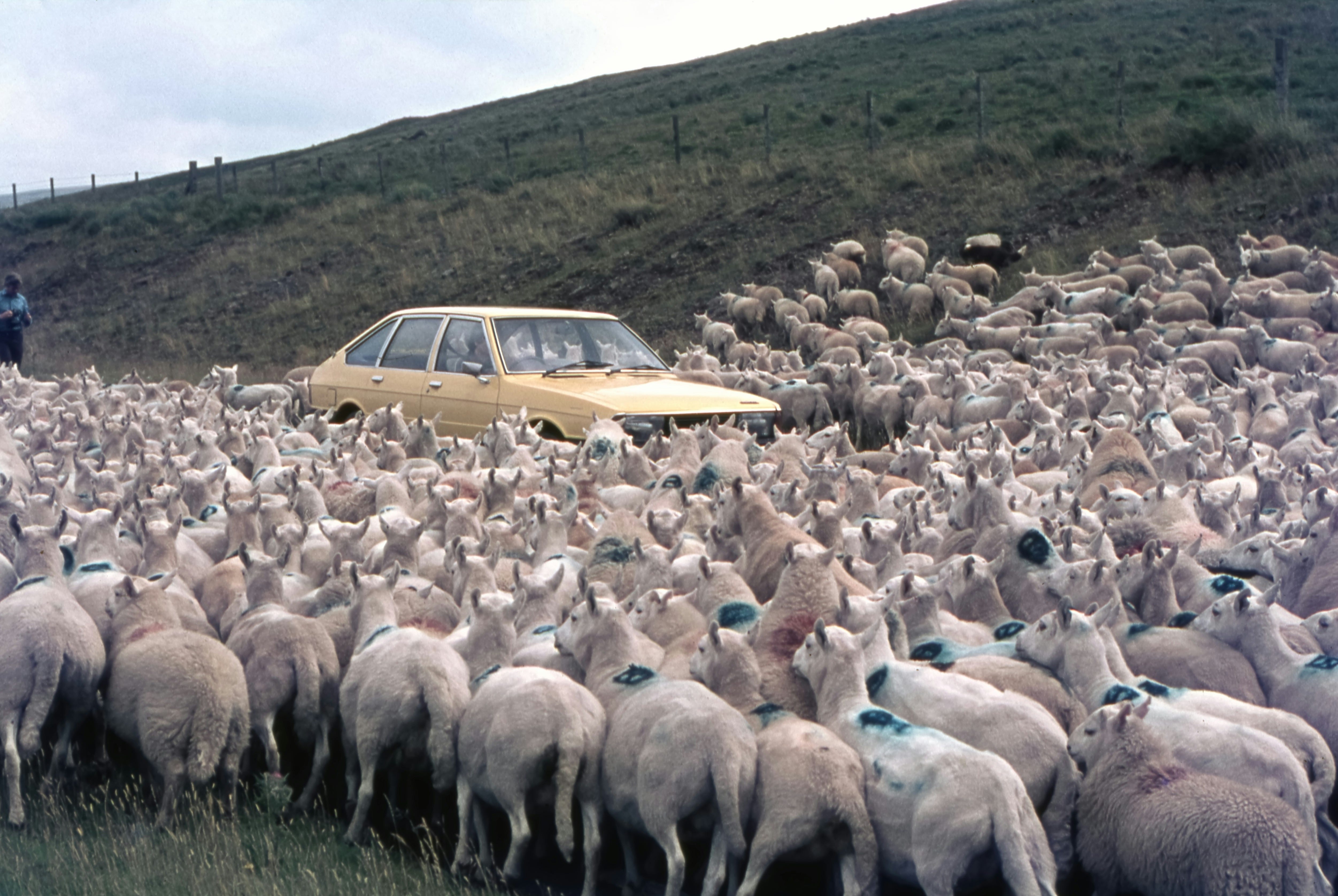
I have great empathy for both. Books That Do Too Much are, at their core, a consequence of generosity. Writers who have come to a deep understanding of their subject want to share this deep, sophisticated understanding with their readers. Everything really is connected, after all. Learning about those connections and understanding how they influence each other actually does give depth and context to our understanding of things. Every time I am working with a Book That Does Too Much I have a moment where I pause to reflect on how kind and humane the desire to share it all truly is.
On the other side of that moment, though, I also end up reflecting on the next layers of kindness and humaneness that have to be brought into play. We have to recognize that our brains require structure, focus, and time in order to learn and understand. If our writing’s going to be effective, meaning that we’re going to share our understanding, we must build that structure, focus, and time into our writing.
Doing this requires some complicated calculations, quite a bit of careful balancing, and a solid sense of boundaries. The specifics are different for every project and every writer, but the generalities aren’t. Here are some questions I ask writers I work with to help them avoid writing Books That Do Too Much:
What will you assume your reader already knows? Note that I don’t say “what can you assume” or “what should you assume,” but “what will you assume.” Considering what your readership is likely to know already is a foundational part of establishing your vision for a project. Then you must decide where you draw the line in terms of what background you will and won’t provide. It is not only perfectly acceptable to do this, it’s actively helpful to you and to your readers. Some books are introductory and others are more advanced. That’s the nature of the beast.
What’s the most concise statement you can make of what you’ll assume the reader already knows? This is not the same thing as explaining everything to the reader. It can be helpful to think of it as being like a recap: what does the reader need to know to proceed from this point? The reader may decide they don’t know enough to proceed, and go find a more introductory book. But they might be delighted to find the book that doesn’t insist on giving them yet another 101-level intro when what they want is more depth and detail. Help them out.
Where do you want the reader to be able to go? EVERY book is written for the same fundamental purpose: to move information from one place to another. Because books are read over time, it’s a journey from having less information to having more information. Every single book, regardless of genre, does this. Where is it that you want your reader to be able to go with you? What’s the destination? When they reach the end, what will they understand that they didn’t before?
What landmarks do you not want them to miss seeing? The journey metaphor holds up here, too. It’s not necessary to walk your reader up every step of the mountain for them to appreciate the view from the top, but they’ll have a deeper grasp of why standing on the mountaintop is so remarkable if you’ve pointed out that the road you drove to get up there has a lot of hairpin turns and why.
What’s in it for them? You’re asking a reader to spend time and make the effort to read your book when there are a whole lot of other things they could be doing. A smart writer asks themselves why that reader’s going to bother, and comes up with at least a few specific reasons. These help anchor your book not just in its purpose, but in the experience you are trying to provide for your reader, giving sustained focus to your project.
If you think you may be writing one of those Books That Do Too Much, or perhaps might’ve recently written one, thinking through these questions can help you start figuring out how to get the project dialed in to the compelling, rewarding, and impactful zone.
If you’d like support with that process, please be in touch at HBBliterary@proton.me: I get it, and I can help.
— Hanne Blank Boyd
p.s. If you’re not ready for a paid subscription, leave something in the Developmental Edits tip jar.